Pot Plants

We supply a variety of plants that are nurtured in our nursery tunnels. From succulents and herbs to edible fruits, we have it.  We are not just here to supply our customers with good quality products, but to supply them with valuable information on how to grow their plants and what benefactors it has to one’s health. We supply instructions on what soil to use, how much water it needs, etc. Feel free to look through our pot plant section and if you did not find information on what you seek, please contact us for further assistance.

Our

Lavender

Lavender

French Lavender

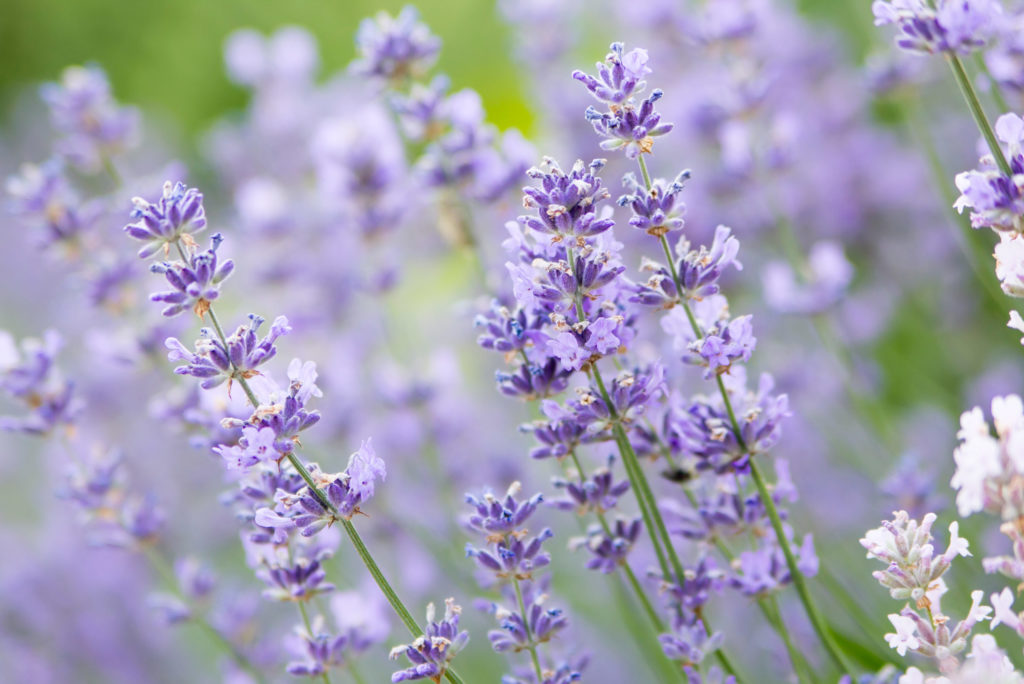
French Lavender (Dentata) grows at a maximum of 1m diameter. They need watering 2-4 times a week. Pruning the plant in the beginning of every season will ensure a long lifespan. They live up to 4-5 years. The French Lavender is the second hardiest lavender in our range of plants, but it is our most popular one. It is quite important to note that all our lavender need sandy loam soil to grow.

Margaret Roberts

Margaret Roberts (English Lavender) grows at a maximum of 1.5m in diameter. They need watering 1-3 times a week. Just as his little brother, the French Lavender, pruning in the beginning of each season is essential for its lifespan. It is the hardiest lavender plant in our range and is also commonly used in medicinal products.

Our

SUCCULENTS

Lavender

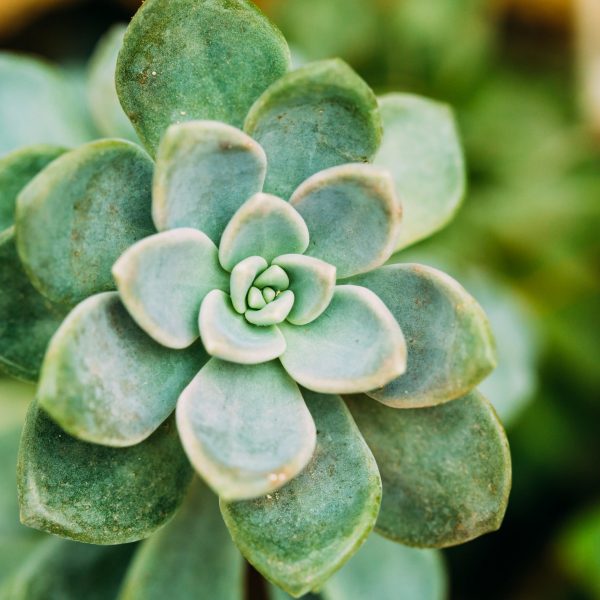
Succulents are one of the few plants that we also provide. We produce mainly Desert Roses (Caerulescens). It can be used as an indoor plant or it can be planted outside in the garden. The most important thing to consider is for the plant tobe exposed to light, whether it is natural sunlight or a brighten room.  They love sandy loam soil and they have the ability to grow in rocky pastures with little soil.

Other types that we have:

  • Jade Plant

  • Portulacaria Afra (Spekboom)

  • Burro’s Tail

  • Stonecrop

Succulents

Our

Berries

Lavender

blueberries

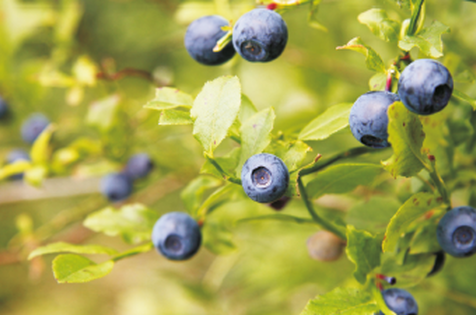
We have 3 variants of Blue Berry.  An early-season type makes berries in Spring.  A mid-season makes berries in the middle of Summer.  A late-seasonmakes berries in Autumn and early Winter. Our blueberry plant are nurtured to be self-pollinated, but we recommend that more than one blueberry is planted next to one other. Cross-pollination with different varieties will give forth bigger and more fruit. It will also give produce through almost all of the seasons.  They should be planted at least 60 cm apart. Any animal manure is not recommended for use as soil. Use should rather be made of pine bark that has a low pH level.

Red Raspberries

We are able to provide two types of raspberries: Red and Black Raspberries. The red variant  is considered the hardiest, but the black variant is considered as a super fruit with its high level of antioxidants and vitamins A en D.  Raspberries need to be planted at least 0.5m apart. Trimming regularly its branches promotes growth and produce in the long run. They grow long and it is recommended for it to grow on supports such as fences. They prefer loamy, well-drained soil.

Cranberries

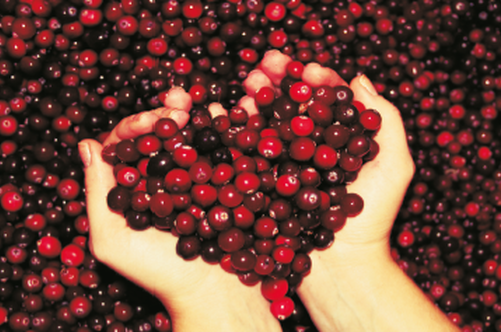
Cranberries are creepers and grows along the surface of the ground.  Unlike the other berries, they need soil that needs a high pH level. They need to be planted between 50 to 60cm apart. It may take up to three years to bear its first fruit, but would thereafter make produce for decades to come. It is important to prune on its sides to support upright growth that would lead to more produce. Out of all the berries, the cranberry has the highest level antioxidants and are cholesterol free.

Our

Granadilla

Lavender

Granadillas are creepers and they need a fence for support. They will bloom beautiful flowers in the Spring and Autumn season, bearing fruit in the Summer and Winter season. If the plant does not bear fruit within the first two years of growth, it would be a sign that it is low in potassium and phosphorus. Make use of Dimiphite to act as a booster. Planting them at least 1 m from one other would be ideal, as they will intertwine.

Granadilla

Our

Rosemary

Lavender
vincent-foret-R8Ct7Macnus-unsplash

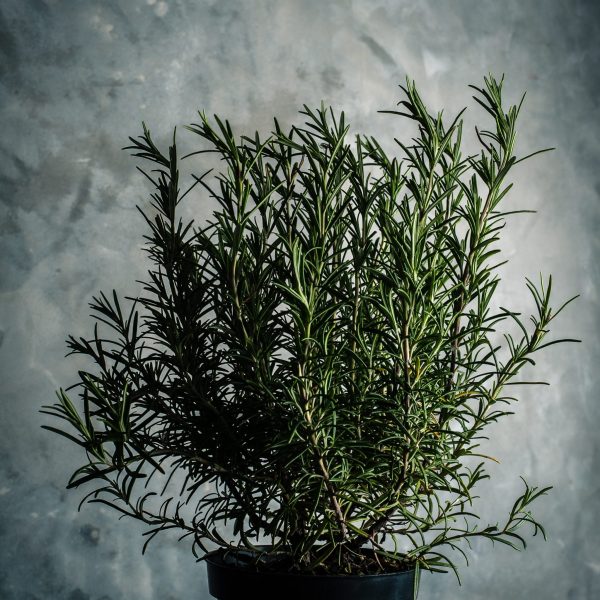
Whether it is roast beef in the oven or lamb chops on the braai, picking fresh Rosemary from your garden would be the ideal choice. It is  recommended to cut off the twigs that makes blue and white flowers to promote the plant’s growth. Rosemary is a hardy herb plant that are able to grow in Winter seasons. Yellow spots on the leaves caused by spider mites are the most common disease in South African conditions. Makes use of natural pesticides to combat against these diseases. Taking fluids such as Biogrow Bioneem would be a perfect solution.

Reseller info

wholesale pricelist

Margaret Roberts

General info

Public Pricelist